Lima: A City Where History and Innovation Dance Together
Lima is a city of contradictions and revelations. Founded in 1535 by Spanish conquistador Francisco Pizarro on the coast of the Pacific, Lima became the jewel of the Spanish American empire. Today, it remains a city where colonial grandeur stands side by side with contemporary sophistication, where centuries-old traditions blend seamlessly with cutting-edge innovation. The moment you arrive in Lima, you sense this duality. Modern glass buildings rise against skies framed by colonial architecture. Street art adorns the walls of centuries-old mansions. In the plazas, vendors selling traditional handicrafts set up next to trendy cafes serving specialty coffee. Lima is not frozen in time—it's a living, breathing metropolis that honors its past while enthusiastically embracing its future. This unique balance makes Lima one of South America's most compelling destinations for travelers seeking authentic cultural immersion.
Walking Through the Echoes of Spanish Colonial Power
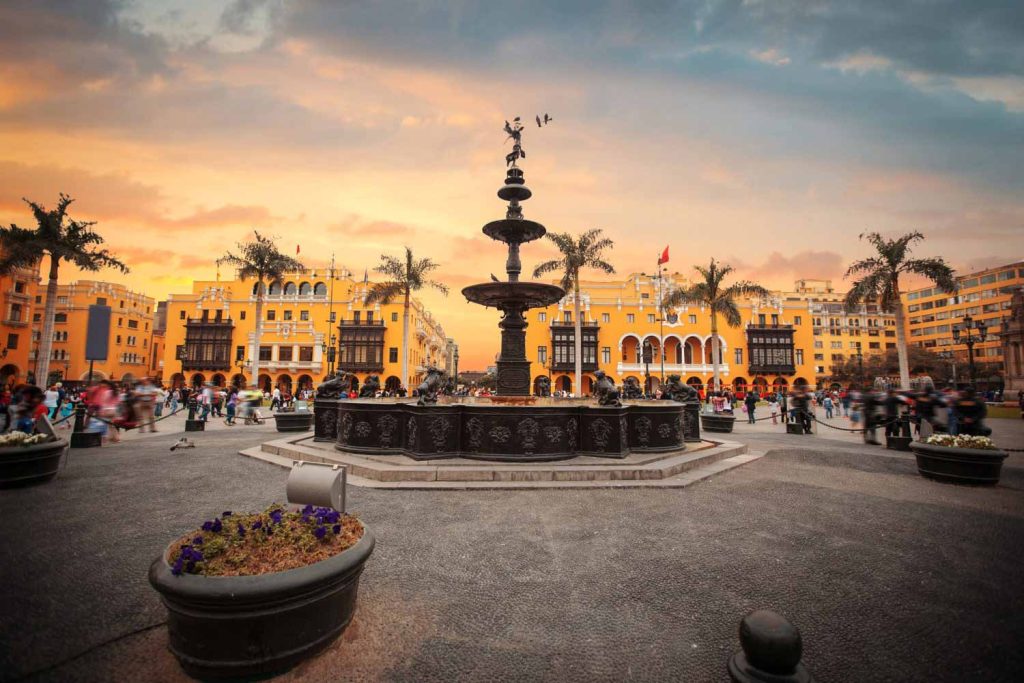
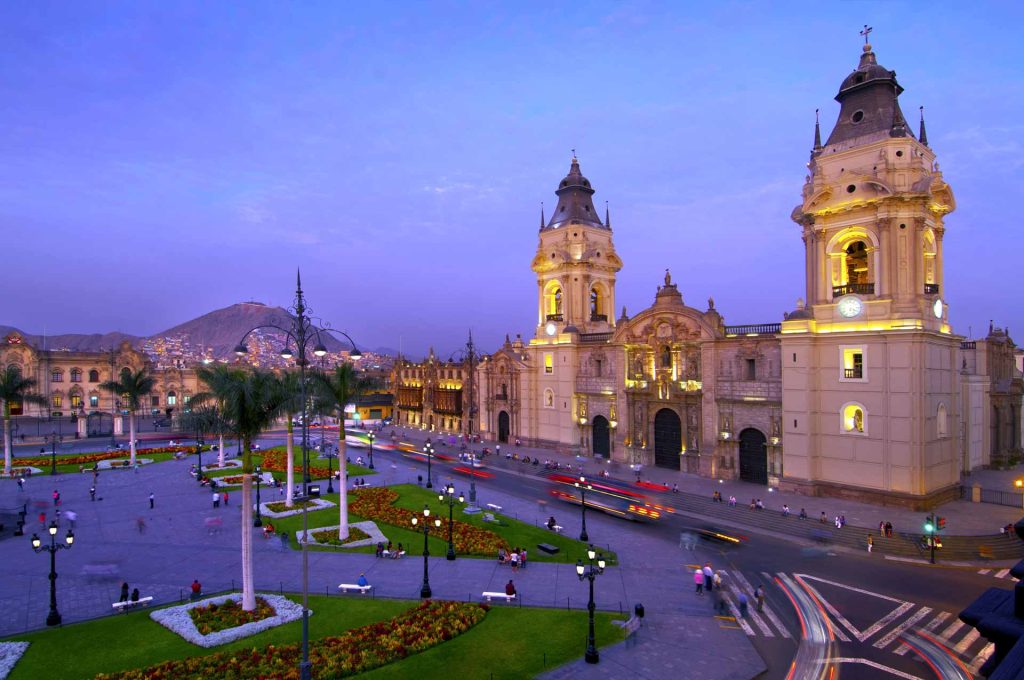
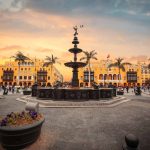
The Historic Center of Lima, designated a UNESCO World Heritage Site, is the heart of colonial South America. Here, you walk streets that have seen four and a half centuries of history unfold. The Plaza Mayor, the city's central square, is surrounded by the magnificent Cathedral of Lima. This baroque masterpiece, with its ornate wooden balconies and elaborately decorated interior, was constructed over the course of a century and stands as a testament to Spanish colonial wealth and power. The wooden balconies, or miradores, are iconic features of Lima's colonial architecture—intricately carved from dark wood, they jut out from building facades creating shadowy, intimate spaces that protected residents from the intense coastal sun. Walking beneath these balconies, you're transported back to centuries past. The Municipal Palace and the Archbishop's Palace frame other sides of the Plaza Mayor, creating a harmonious plaza that represents the triple power structure of colonial Spanish America: religious authority, civic government, and the Crown's representatives.
Descending Into Ancient Mysteries
Beyond the visible splendor lies the San Francisco Monastery, one of the most remarkable colonial structures in the Americas. Built in the 17th century, this monastery combines stunning baroque architecture with a macabre historical reality—beneath its serene cloisters lie the catacombs. For centuries, the catacombs served as burial grounds for thousands of Lima's residents. The wooden doors of the catacombs, decorated with geometric patterns, open onto chambers where you can still see skeletal remains arranged in neat patterns on shelves. This juxtaposition of sacred beauty above and human mortality below speaks volumes about colonial Spanish society. The library of the monastery contains thousands of ancient volumes, some dating back to the 16th century. The cloister gardens, with their lemon trees and peaceful fountains, offer respite from the weight of history. Walking these halls, you connect with centuries of human experience, spirituality, and the inevitable confrontation with mortality that has always been central to the human condition.
Discovering Peru's Living Cultural Heartbeat
Beyond the historic center lies the bohemian neighborhood of Barranco, a district that pulses with artistic energy and creative spirit. Here, young artists have transformed weathered buildings into galleries and studios. Murals cover entire walls, depicting scenes from Peruvian history and contemporary social themes. Charming cafes and bookstores line narrow cobblestone streets. The scenic Plaza Mayor de Barranco overlooks the Pacific Ocean, and the famous Bridge of Sighs, constructed in 1876, offers romantic views. In Barranco, tradition and innovation exist in harmonious coexistence. You'll encounter street musicians, local artisans selling their wares, and the palpable sense that this neighborhood is where Lima's soul resides. The nearby neighborhood of Miraflores, perched on cliffs overlooking the ocean, offers upscale shopping, fine dining, and galleries featuring contemporary Peruvian art. Walking through these neighborhoods, you experience Lima not as a museum piece but as a living, dynamic city where hundreds of thousands of people create art, build businesses, and pursue their dreams.
A Journey Through Peru's Gastronomic Revolution
But perhaps Lima's greatest gift to the world is not its architecture or history—it's its food. Over the past two decades, Lima has transformed into the culinary capital of South America, a place where traditional Peruvian ingredients and techniques are elevated to art forms by innovative chefs. The story of Lima's food begins with abundance. Peru is home to thousands of potato varieties, dozens of chilies, fresh seafood from the Pacific, and unique ingredients that exist nowhere else on Earth. In the traditional markets, vendors display ceviche on ice, heaps of colorful produce, and fresh fish that arrived in the harbor just hours before. Many of Lima's most renowned restaurants embrace "gastronomy of sentiment," using local ingredients to tell stories of Peru's diverse regions and cultural traditions. These aren't restaurants in the conventional sense—they're journeys of discovery where each course represents a different aspect of Peruvian identity. Dining in Lima is not simply eating; it's a profound engagement with culture, history, and human creativity.